
Our home in Chelsea Since 1978
Changed, yet familiar
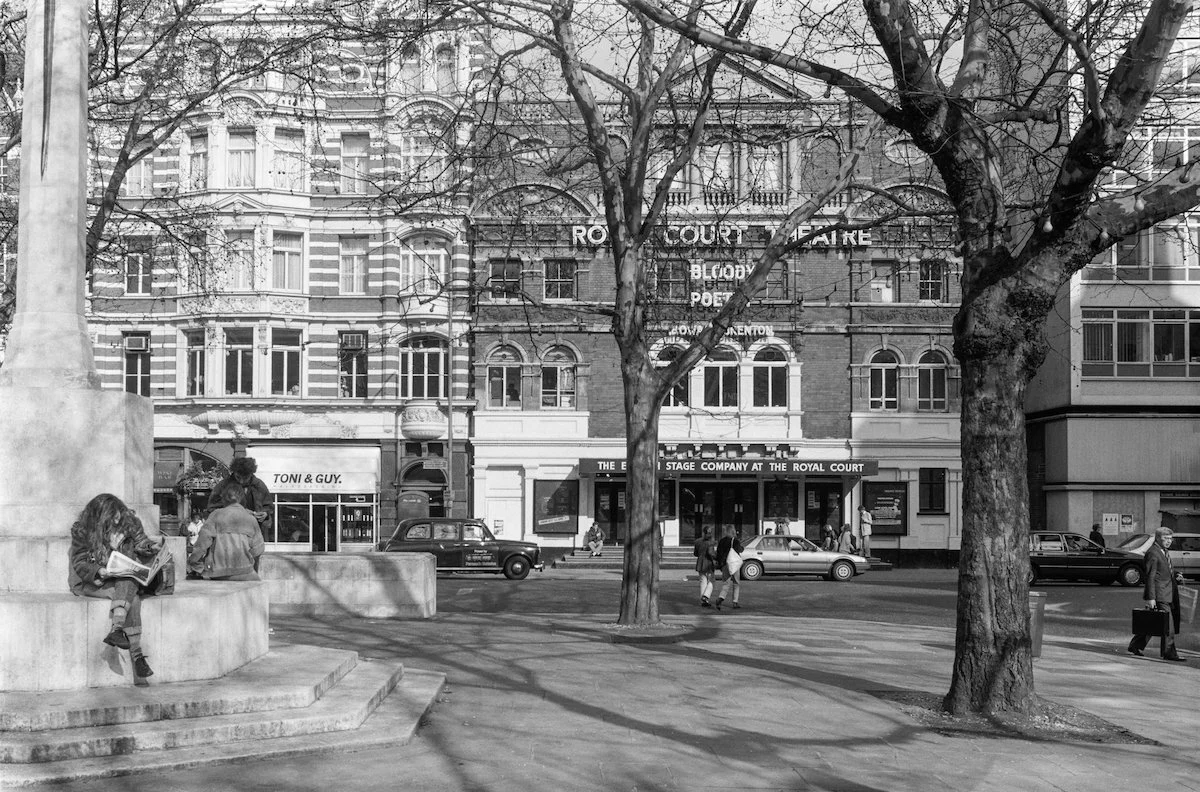
Since 1978, the year our founder Nick was born and raised on Burnsall Street, Chelsea has undergone visible transformation, shaped by wealth, global attention, and the steady polish of London life. Yet beneath these changes, the area has held tightly to the character that long defined it. And continues to be Nick’s family’s home but also his work home for Carter Wells.
During the 80s, Chelsea was already fashionable but slightly frayed around the edges. Artists, writers, and musicians still lingered in its cafés, and the King’s Road retained a rebellious streak left over from the 1960s and 70s. Rents were rising, but independent shops, second-hand boutiques, and pubs remained central to daily life.
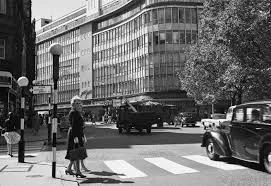
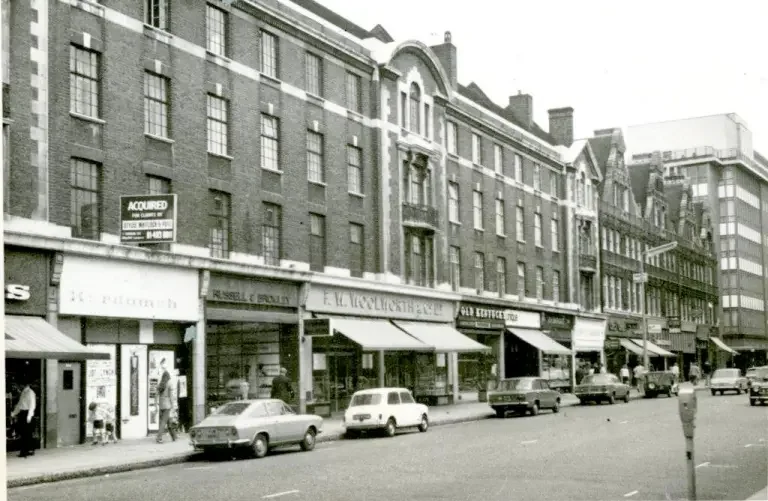
Over the following decades, money flowed in. Property prices soared, drawing international buyers and reshaping the social mix. Many quirky shops gave way to luxury brands, refined restaurants, and immaculate townhouses. The King’s Road became more polished and commercial, its countercultural reputation softened into upscale confidence.
Yet Chelsea has not lost its soul. The Thames still anchors the area with calm authority, while landmarks like the Royal Hospital, the Physic Garden, and the Chelsea Arts Club preserve a strong sense of continuity. Local rituals endure: weekend walks along the Embankment, quiet squares filled with plane trees, and a deep attachment to Chelsea Football Club on match days.
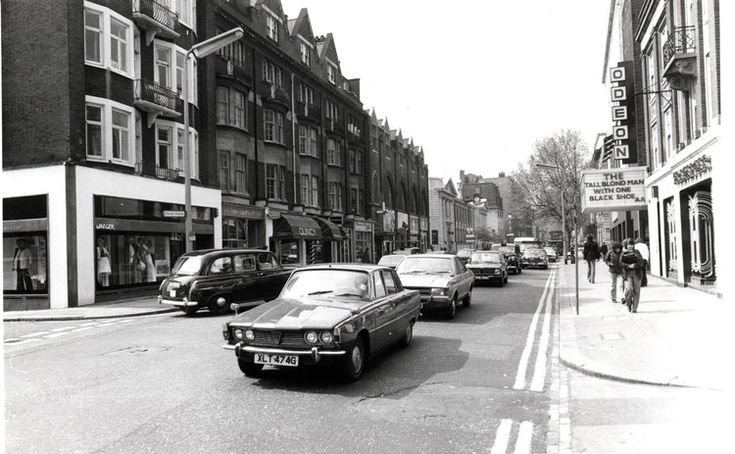
What has stayed the same is Chelsea’s self-assurance. It remains a place that sets trends rather than follows them, comfortable with privilege but rooted in history. Since 1980, Chelsea has become wealthier and more refined, but its blend of tradition, confidence, and understated eccentricity still feels unmistakably Chelsea.